The Entrepreneur’s Mindset: Why Thinking Like an Artist Matters for Success
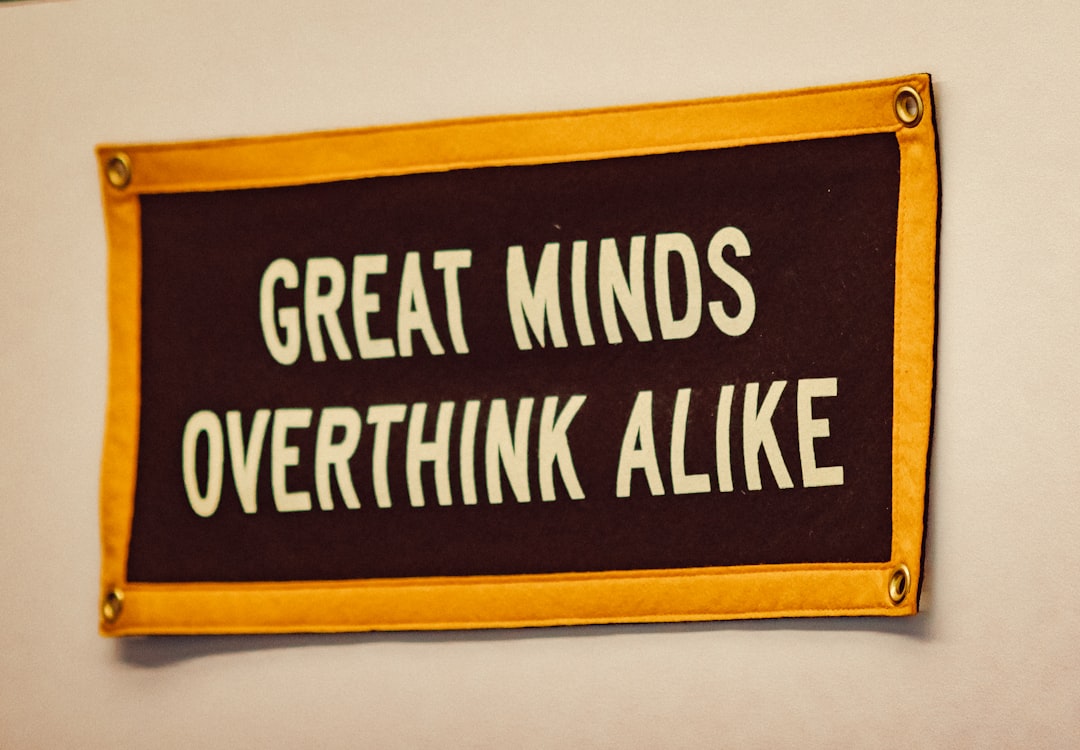
Let’s talk about something most business gurus won’t tell you—the secret sauce of entrepreneurship isn’t just spreadsheets, market analysis, or hustling 24/7. It’s something far less quantifiable, far messier, and honestly, way more interesting. It’s the ability to think like an artist. You heard that right. If you want to build something groundbreaking as an entrepreneur, you need to channel your inner Picasso, Frida Kahlo, or Banksy. Here’s why.
Picture this: an artist stands in front of a blank canvas. They don’t know exactly what they’re about to create. There’s no guarantee the world will love it, and there’s a real chance it might flop. But they dive in anyway, driven by a vision only they can see. Entrepreneurs? Same energy. You’re starting with nothing but an idea—a flicker of possibility—and you’ve got to turn it into something tangible, something people will actually pay for. That leap of faith? That’s pure artistry. And it’s the foundation of every great startup story.
Now, let’s break down what the “artist’s mindset” really means and why it’s non-negotiable for entrepreneurial success.
Embrace Ambiguity and See What Others Don’t
Artists thrive in uncertainty. They don’t wait for permission, a perfect roadmap, or a guaranteed outcome. They start with a feeling, a concept, or a question—and they explore. Entrepreneurs crave certainty too (who doesn’t?), but the reality is, building a business is like wandering through a foggy forest. You know there’s a path, but you can’t see all the obstacles. Artists don’t panic in that fog; they lean into it. They trust their intuition, their ability to adapt, and their willingness to course-correct as they go.
Think of Airbnb. When Brian Chesky and Joe Gebbia first inflated air mattresses in their living room to host strangers, they weren’t following a proven playbook. They were experimenting, just like an artist testing a new medium. The idea that people would pay to sleep in a random person’s spare room sounded absurd. But they saw a possibility others missed—a world where travel wasn’t about sterile hotels but about authentic human connection. That’s an artist’s vision meeting entrepreneurial hustle.
Create Something from Nothing (Literally)
Artists are the ultimate bootstrappers. They take raw materials—paint, clay, sound, words—and transform them into something that didn’t exist before. Entrepreneurs do this too, but with ideas, code, relationships, and capital. The magic lies in the act of creation itself. You’re not just assembling parts; you’re giving life to something entirely new. This requires a kind of audacity—a belief that your creation matters, even when there’s no evidence to back it up.
Elon Musk is a polarizing figure, but you can’t deny his artist-like approach to business. SpaceX, Tesla, Neuralink—these aren’t just companies. They’re manifestations of a wildly imaginative vision of the future. Musk didn’t look at the rocket industry and say, “How do I make a cheaper version?” He asked, “How do I make humanity multi-planetary?” That’s not business strategy; that’s a sci-fi epic brought to life. Love him or hate him, it’s impossible to ignore the sheer creative force behind his ventures.
Embrace Failure as Part of the Process (Not the End)
Here’s where artists and entrepreneurs are soulmates: both know failure isn’t fatal—it’s fertilizer. A painter doesn’t scrap a canvas because the first stroke looks wonky. They adjust, layer over it, or turn the mistake into a feature. Entrepreneurs? Same deal. The path to success is paved with pivots, dead ends, and “well, that didn’t work” moments. The artist’s mindset teaches you to treat failure like a collaborator, not an enemy.
Take James Dyson. Before inventing the world’s first bagless vacuum cleaner, he made 5,127 prototypes that didn’t work. If he’d seen each failure as a sign to quit, we’d still be lugging around vacuums that lose suction halfway through cleaning. Dyson approached his work like an artist—each failed prototype was a lesson, a stroke in a much larger masterpiece. That’s the resilience entrepreneurs need. Failure isn’t a stop sign; it’s a detour sign.
Obsess Over the Details (Even the Ones No One Else Sees)
Artists are famously meticulous. Van Gogh didn’t just slap paint on a canvas; he painstakingly layered colors to create texture and light. Entrepreneurs often underestimate this part of the artist’s mindset—the obsession with craft. Sure, you need big-picture vision, but the details? They’re what turn a good product into an irresistible one.
Steve Jobs was notorious for this. He’d agonize over the curve of an iPhone corner or the feel of the packaging. Why? Because he understood that great design isn’t just functional—it’s emotional. People don’t just buy products; they buy how those products make them feel. That’s artistry. It’s why Apple fans line up for product launches like they’re attending a gallery opening. Jobs wasn’t just selling technology; he was selling an experience, and that takes an artist’s eye for detail.
Learn to Tell a Compelling Story (And Live It)
Artists tell stories through their work. A painting, a song, a sculpture—they all communicate something deeper than the surface. Entrepreneurs? You’re storytellers too. Your product isn’t just a widget; it’s a solution to a problem, a catalyst for change, or a doorway to a new experience. If you can’t articulate the why behind your business, you’ll struggle to inspire customers, investors, or even your own team.
Look at Patagonia. Yvon Chouinard didn’t just sell outdoor gear; he built a brand around environmental activism. Patagonia’s story—its commitment to sustainability, ethical production, and protecting wild places—is woven into everything they do. Their famous “Don’t Buy This Jacket” campaign wasn’t just marketing; it was a manifesto. That’s storytelling with purpose, and it’s how you turn customers into loyalists. Entrepreneurs who think like artists understand that their business isn’t separate from their narrative—it is the narrative.
Cultivate Your Intuition and Trust It
Artists often describe their creative process as intuitive—a gut feeling guiding their choices. Entrepreneurs need that same muscle. Data is crucial, yes, but there’s a point where analysis paralysis kills momentum. When you’re faced with a tough decision—partnerships, product launches, hiring—you can’t always wait for perfect information. You have to listen to that quiet voice saying, “This feels right.”
Richard Branson is a master of entrepreneurial intuition. Whether it’s launching Virgin Records, Virgin Atlantic, or Virgin Galactic, he’s often leaped into industries he knew nothing about, trusting his instincts over conventional wisdom. Sometimes it blew up in his face (remember Virgin Cola?), but that’s the artist’s gamble. Intuition isn’t about being reckless; it’s about recognizing patterns, reading energy, and making bold moves when the stars align—even if you can’t explain why.
Collaborate, But Protect Your Vision
Artists often work in studios or collectives, bouncing ideas off others. Entrepreneurs do this too—building teams, seeking mentors, networking. Collaboration is fuel. But here’s the kicker: artists also know when to retreat, to shut out the noise and protect their core vision. Entrepreneurs face endless opinions—investors pushing for faster growth, customers demanding new features, competitors copying their moves. It’s easy to lose yourself in the noise.
Think of Sara Blakely, founder of Spanx. When she started, she was told by countless people that her idea for footless pantyhose was ridiculous. She could’ve listened. Instead, she clung to her vision. She cold-called manufacturers, crafted her own prototypes, and even wrote her own patent—all while working a full-time job. Collaboration? She had plenty of doubters to prove wrong. In the end, her uncompromising focus turned Spanx into a billion-dollar brand. The artist’s mindset means staying open to feedback while fiercely guarding the essence of your creation.
Stay Obsessively Curious (Especially About Weird Stuff)
Artists are insatiably curious. They draw inspiration from philosophy, nature, politics, dreams—anything that sparks their imagination. Entrepreneurs who succeed long-term share that curiosity. They’re not just experts in their niche; they’re voracious learners, connecting dots from unrelated fields to fuel innovation.
Jeff Bezos is famous for this. Before Amazon dominated e-commerce, Bezos studied everything from robotics to neuroscience. He’d pepper his team with questions about seemingly random topics. Why? Because breakthroughs happen at the intersection of disciplines. The Kindle, for example, wasn’t just a gadget—it was the result of blending tech, publishing, and Bezos’s obsession with customer experience. Entrepreneurs who think like artists never stop asking “What if?” and “Why not?”
Authenticity Trumps Perfection Every Time
Here’s a hard truth: perfectionism kills creativity. Artists know they’ll never create a “perfect” piece—there will always be something they’d tweak. But they ship anyway, because art isn’t about flawless execution; it’s about honest expression. Entrepreneurs often freeze trying to perfect their product before launch. But in today’s fast-paced world, “good enough” shipped is better than “perfect” stuck on your hard drive.
Look at Mailchimp. When Ben Chestnut and Dan Kurzius started their email marketing platform, it was clunky. But they got it out there, listened to users, and iterated relentlessly. They embraced their quirks (like the playful chimp logo) instead of chasing corporate polish. That authenticity—the willingness to be human, flaws and all—resonated. People don’t connect with perfection; they connect with realness. Entrepreneurs who embrace imperfection create brands that feel relatable, trustworthy, and alive.
The Bottom Line: Artistry Is a Competitive Advantage
In a world cluttered with copycat startups and me-too products, thinking like an artist isn’t just nice—it’s necessary. It’s what separates the forgettable from the iconic. Artists don’t follow trends; they set them. They don’t solve problems the way everyone else does; they redefine the problem entirely. And that’s exactly what the best entrepreneurs do.
So if you’re building something—whether it’s a tech unicorn, a small boutique, or a side hustle—ask yourself: Am I approaching this like an artist? Am I willing to embrace uncertainty, iterate fearlessly, obsess over details, and tell a story that moves people? If the answer is yes, you’re not just building a business. You’re creating something that might just change the world. And isn’t that what art is all about?
Check some other cool startup articles:
 10 Stories Of Super Successful Tech Start-Ups and Founders
 Top 15 Inspirational Quotes By Steve Jobs About Life And Business
 Top Social Networks For 2013
 Benjamin Franklin’s 13 Rules For Success
Current Money Exchange Rates With This Online Currency Converter
Benjamin Franklin’s 13 Rules For Success
Current Money Exchange Rates With This Online Currency Converter
 What Is Compound Interest And How To Calculate It? The Compound Interest Formula
 Top 15 Business Sites Today
 When Companies Pay Dividends – Declaration, Record, Ex-dividend, And Payment Dates